
Stone, slate, brick and wood looks
Stamped Concrete in Tinley Park
The look of laid stone with the strength of a single poured slab, colored and textured to suit your house.
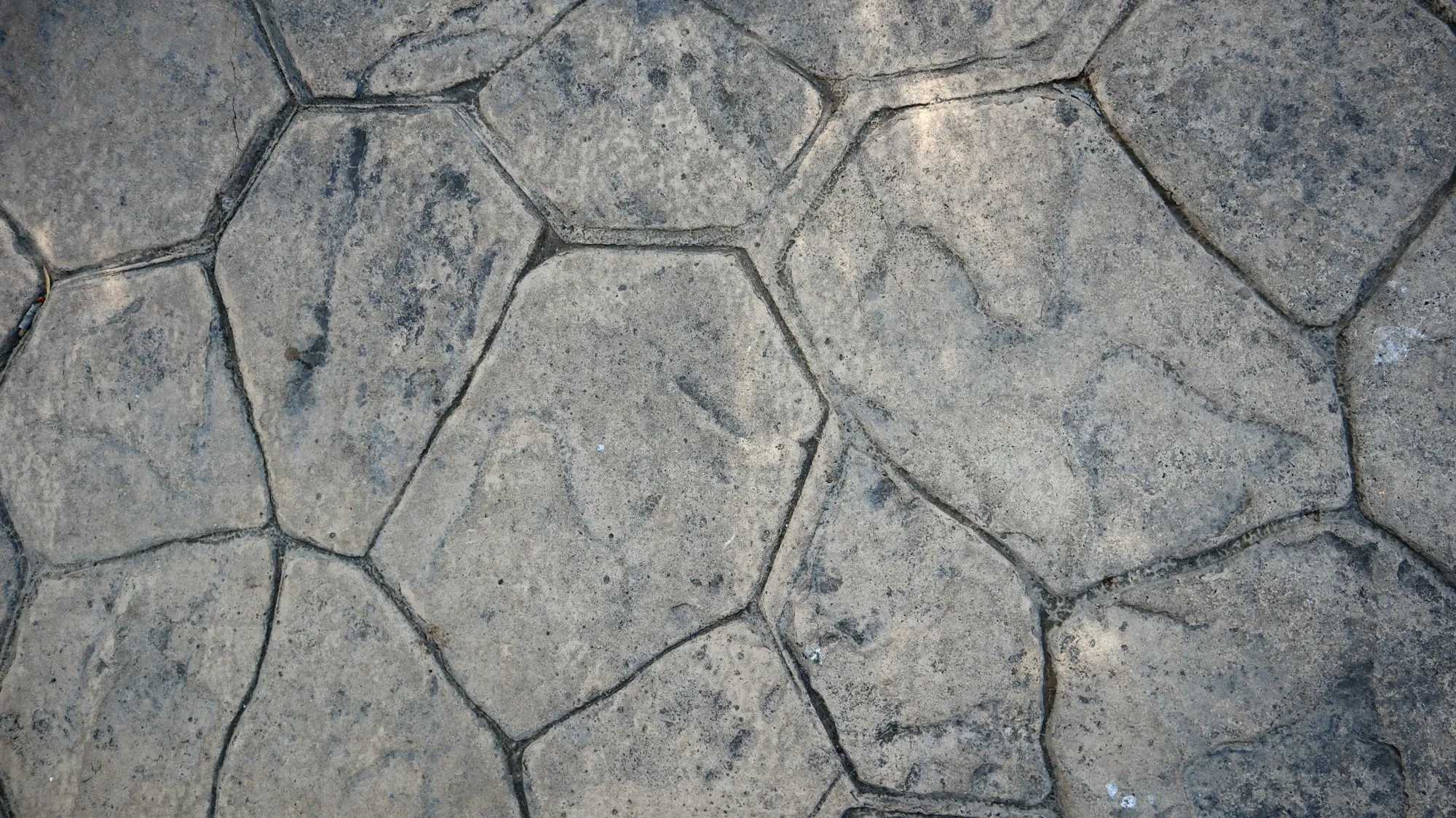
Can Concrete Really Pass for Stone?
Done well, yes. Done in a hurry, it looks like gray concrete with a pattern rolled across it. The difference is in the timing and the hand work. Stamped concrete starts like any slab, with a compacted base, the right thickness and reinforcement, but the finishing is where the craft lives. Tint is blended into the load or broadcast across the top, an antiquing release gets dusted on to darken the grout lines, and the mats go down when the slab has stiffened just enough to keep a sharp impression. Our finishers texture the borders with hand tools so the stone look carries all the way to the form boards. Once cured, the slab is rinsed and a sealer is rolled on to richen the tone and shield the face. We help you choose a pattern and tone that match your brick, siding or roof, so a stamped patio in Tinley Park looks like it was planned with the house instead of added on.
What Is Part of a Stamped Job?
Here is what goes into turning a plain pour into decorative concrete.
Pattern selection
Ashlar slate, flagstone, cobble, brick or wood plank, chosen with your home in view.
Color planning
A base color and an accent tone picked to sit well beside your siding and trim.
Solid base and thickness
The same compacted stone and proper depth as any structural slab.
Release for depth
An antiquing release worked in so grout lines and texture read like real stone.
Timed stamping
Mats set and pressed while the concrete is at the right stiffness.
Hand-detailed edges
A hand skin and flex mat used along borders where the big mats cannot reach.
Hidden joints
Control joints placed along pattern lines where they blend in.
Sealer to finish
A sealer applied after curing to bring out color and protect the surface, with grit added on walking areas.
How Does a Stamped Pour Come Together?
Pick the look
We go over patterns and colors, measure the area and put the price in writing, with thickness, base, color and sealing each listed.
Prep and pour
Old concrete or sod is removed, the base is compacted and formed, and the colored concrete is placed and floated.
Stamp, cure and seal
Antiquing powder is dusted on, mats are tamped in, borders get hand texture and joints follow grout lines. After curing, we rinse it and roll on sealer.
What Sets Our Stamped Work Apart?
Patience with the timing
Stamping too early smears the texture and too late leaves it shallow. We wait for the right window.
Color that suits the house
We match tones to your exterior instead of offering one gray and one tan.
Strength under the looks
A decorative slab still needs a real base, real thickness and a real cure.
- Pattern matched to home
- Edges detailed by hand
- Joints on pattern lines
- Sealed after cure
Picturing Slate Instead of Plain Gray?
Give us rough dimensions and describe your brick or siding. We will suggest a pattern and two or three tones that suit it.