
At-grade slabs of every size
Concrete Flatwork in Tinley Park
Plain, flat concrete that sits at grade, sheds water and keeps a hard surface for years.
Why Does a Simple Slab Need So Much Care?
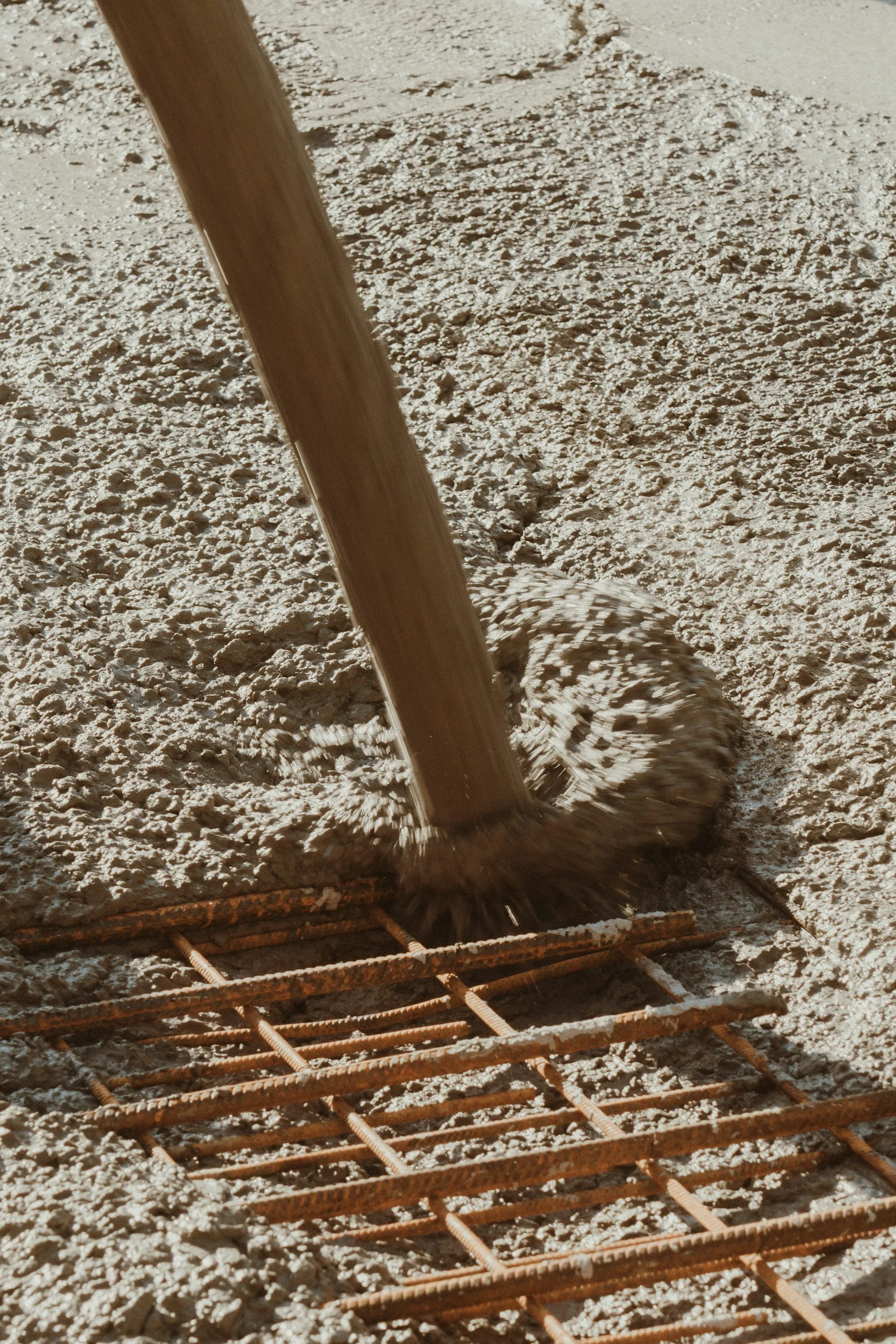
A shed pad or a side slab looks like the easiest pour on any property, and that is exactly why so many of them fail early. Someone levels a little dirt, sets forms, drops the concrete and walks away. A year later the pad tips toward the house, puddles in the middle or sheds its top in thin flakes. Good flatwork starts below the surface. We dig out soft soil, bring in stone and compact it until it stops moving, then set the forms so the finished slab falls gently toward a safe spot for water. The pour itself is finished with the texture the job needs, and control joints are cut while the concrete is still green. Then comes the part most crews skip: a slow, damp cure under cover so the top gains its strength instead of drying out in the sun. Whether you need a pad for a new air conditioner, an apron at the end of a driveway or a slab beside the garage in Tinley Park, the steps are the same.
What Goes Into Our Flatwork?
Every slab is different in size and purpose, but these pieces show up on nearly every job.
Layout and measuring
We mark the slab on the ground with you so the size and position are settled before anything is dug.
Tear-out where needed
Cracked or sunken concrete is broken up and hauled away so the new slab starts on clean ground.
Stone base, compacted
Soft soil comes out and crushed stone goes in, packed in layers to carry the load evenly.
Forms set for fall
A slight pitch is built into the forms so rain runs off instead of sitting on the surface.
Reinforcement to suit
Wire or rebar where the slab will carry weight or span soil that may shift.
Finish that fits the use
Broom texture for grip outdoors, a smoother trowel where a pad sits under equipment.
Joints cut on schedule
Control joints spaced for the slab's size and cut before shrinkage cracks can form on their own.
Damp cure and cover
The new surface is protected while it hardens so it stays dense and resists scaling.
How Does a Flatwork Job Run?
Spot check and paperwork
We look at the spot, check where water goes now and talk about what the slab will hold. You get a written price that lists thickness, base, finish and any removal.
Dig, base and form
Soft dirt is scooped out, limestone is tamped in its place and boards are staked at the planned height. Wire or bar is laid in when the load needs it.
Pour, finish and cure
We screed, float and texture the pour, saw the joints, then drape it in curing blankets or keep it misted. The boards are pulled once the edges can hold themselves.
What Makes Our Pads Last?
We start under the slab
Most flatwork failures begin in the soil. A compacted stone base fixes the problem before it starts.
Water has a planned exit
Every slab is pitched so rain and snowmelt move away from the house and off the surface.
The cure is not skipped
Keeping fresh concrete damp is slow and unglamorous. It is also what keeps the top from flaking.
- Compacted stone base
- Pitched for drainage
- Joints sawn while green
- Covered while curing
Shed Coming, or a New Condenser?
Let us know the footprint of whatever will sit on it. We will size the slab around that and swing by to check the ground.